Numeric Data Types in Python

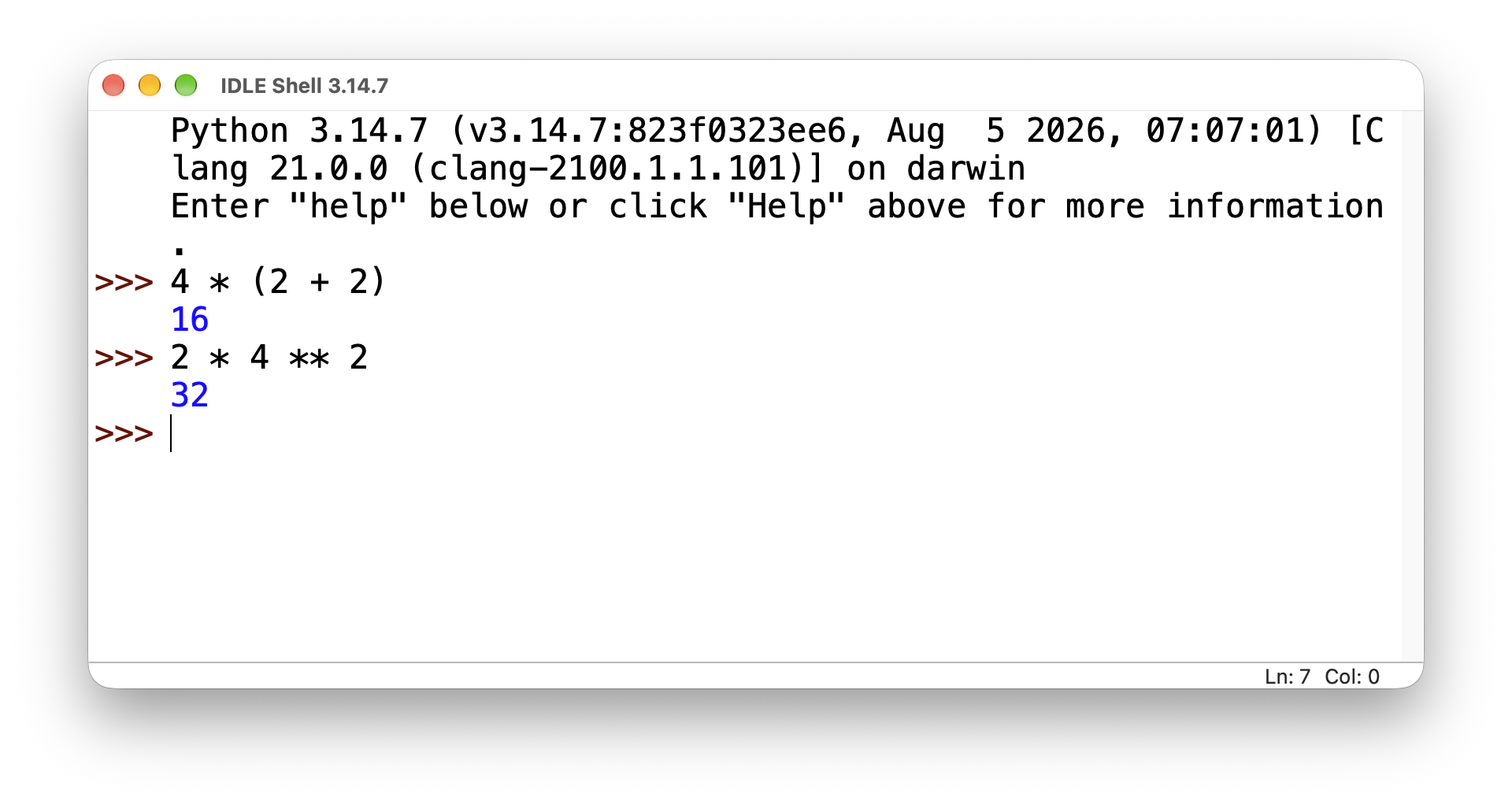
This blog post is all about numeric data types—in other words, numbers. Python provides the following data types for working with numbers: I won’t go into detail about complex numbers here, as in practice, the focus is clearly on the int and float types. int The int data type includes positive and negative whole numbers: … Read more

Using the Ollama API with Python and requests

Featured image for the blog post

An earlier blog post explained how to access the Ollama API from the shell using the curl program. If the gemma3 model is used as a local AI on the system, it might look like this: In this article, we’ll take a look at the Python programming language and how to use the requests library. … Read more

A brief overview of strings in Python

To represent a sequence of characters, the string data type exists in Python — just as it does in other programming languages. Each individual character can be accessed via an index. The first character has index 0 (and not 1). A string is a sequence of characters and each character has an index starting from … Read more

Installing Rust on Windows

Rust is a very young language in the field of systems programming. The first stable version was released in 2015, but it was announced as early as 2010. It combines different programming paradigms, namely from functional, object-oriented, and concurrent programming. This means that programmers from other programming languages will quickly find familiar elements, but may … Read more

The Terminal App on a Mac

Terminal app on macOS

Within the Utilities folder, which is a subfolder of the Applications folder, you’ll find a collection of various useful applications. One of these is the Terminal program. Instead of navigating to the Utilities folder in Finder and then launching the program, you can use Spotlight search (keyboard shortcut: ⌘ + spacebar) and enter the word … Read more