A brief overview of strings in Python

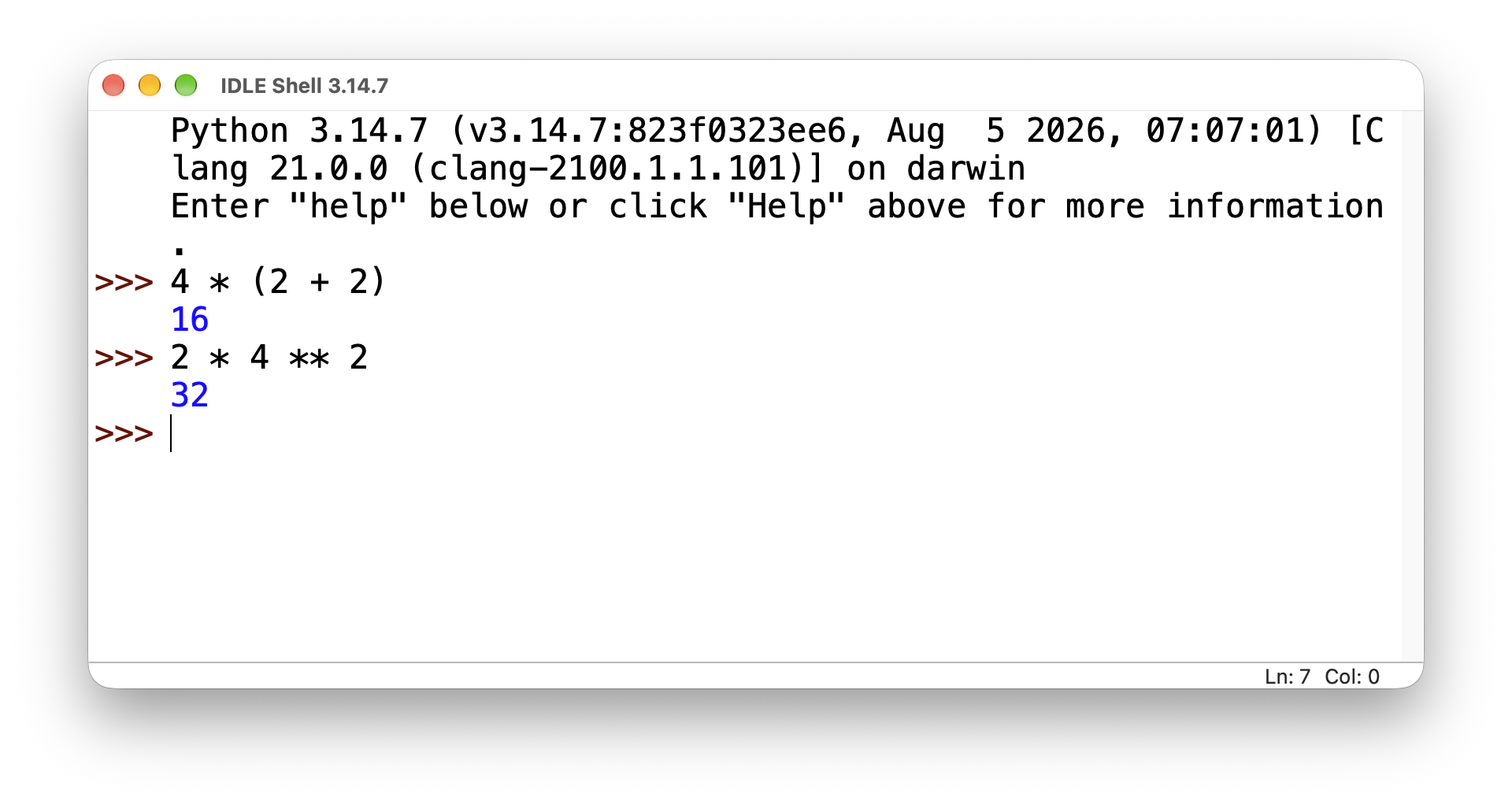
To represent a sequence of characters, the string data type exists in Python — just as it does in other programming languages. Each individual character can be accessed via an index. The first character has index 0 (and not 1). A string is a sequence of characters and each character has an index starting from … Read more

Installing Rust on Windows

Rust is a very young language in the field of systems programming. The first stable version was released in 2015, but it was announced as early as 2010. It combines different programming paradigms, namely from functional, object-oriented, and concurrent programming. This means that programmers from other programming languages will quickly find familiar elements, but may … Read more

Introduction to C++

Screen showing a main function in C++

This introduction to the C++ programming language uses a simple program to teach some of the basics. I’ll be using an example from the articles on setting up a C++ programming environment (links at the end of this article). It’s a simple “Hello World” program: The main() function I would now like to discuss this … Read more

Setting Up Linux for C++ Development

Hello-World in C++

To write C++ applications on Linux, you need a compiler and an editor (or an IDE). Installing a Compiler On Debian and Linux distributions based on Debian, start by running the following command: On openSUSE, run the following command as root: And on Fedora (versions 33 to 36), the following commands will do the job: … Read more

Installing Rust on Linux

Install Rust on Linux

Introduction Rust is a relatively young language in the field of systems programming. The first stable version appeared in 2015, though it was announced back in 2010. It combines different programming paradigms, namely from functional, object-oriented, and concurrent programming. This means programmers from other languages will quickly find familiar elements, though they may also be … Read more